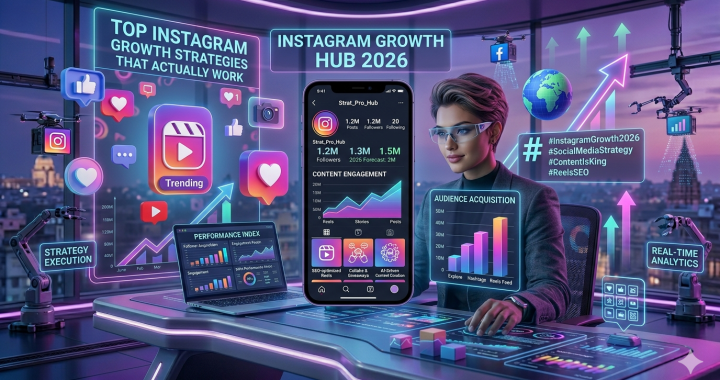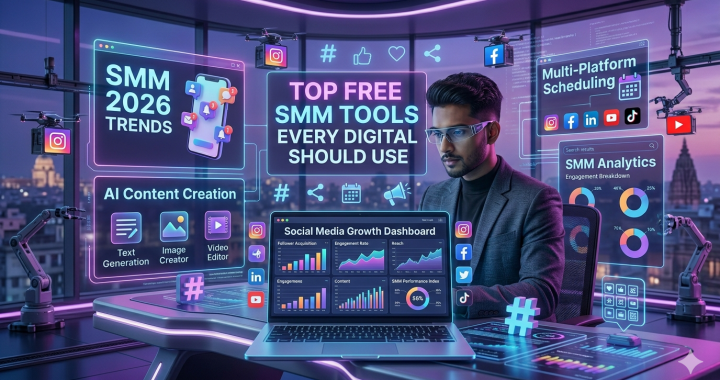
Top Instagram Growth Strategies That Actually Work IN 2026.

Instagram is no longer just a photo-sharing platform. Today, it has become one of the most powerful marketing tools for creators, influencers, startups, and businesses. With millions of posts uploaded daily, growing on Instagram has become more competitive than ever. However, the good news is that smart strategies still work.

If you want real Instagram growth in 2026, you need more than random posting. You need consistency, engaging content, audience understanding, and the right optimization techniques. In this blog, we will explore the top Instagram growth strategies that actually deliver results.


1. Focus on Reels Content

Instagram Reels continue to dominate the platform because short-form videos get higher reach and engagement compared to static posts.

Tips for Better Reels:

  • Create videos between 7–30 seconds
  • Use trending audio and hashtags
  • Add captions to improve watch time
  • Start with a strong hook in the first 3 seconds
  • Post educational, entertaining, or relatable content

Reels help your content reach non-followers through Instagram’s Explore page and recommendation system.


2. Optimize Your Instagram Profile

Your profile is the first impression visitors get. A professional and optimized profile increases the chance of gaining followers.

Profile Optimization Checklist:

  • Use a clear profile picture
  • Write a keyword-rich bio
  • Add a call-to-action (CTA)
  • Include your website link
  • Maintain a clean username

Example CTA:
“Follow for daily digital marketing tips 🚀”


3. Post Consistently

Consistency is one of the biggest factors behind Instagram growth. Posting regularly signals the algorithm that your account is active.

Recommended Posting Frequency:

  • Reels: 4–5 times weekly
  • Stories: Daily
  • Carousel Posts: 2–3 times weekly

Consistency builds trust and keeps your audience engaged.


4. Use Smart Hashtag Strategies

Hashtags help Instagram understand your content category and improve discoverability.

Best Practices:

  • Use a mix of small, medium, and large hashtags
  • Avoid banned or spammy hashtags
  • Use niche-specific hashtags
  • Limit hashtags to 5–15 relevant ones

Example:
If your niche is fitness, use hashtags like:
#FitnessTips #HomeWorkout #FitnessMotivation


5. Create High-Value Carousel Posts

Carousel posts often get higher engagement because users spend more time swiping through the content.

Carousel Ideas:

  • Step-by-step guides
  • Marketing tips
  • Mistakes to avoid
  • Before-and-after examples
  • Case studies

Educational content performs extremely well because users save and share it.


6. Engage With Your Audience

Instagram rewards accounts that actively interact with their followers.

Engagement Tips:

  • Reply to comments quickly
  • Respond to DMs
  • Ask questions in captions
  • Use polls and quizzes in Stories
  • Comment on other creators’ posts

Engagement helps build community and increases visibility.


7. Collaborate With Influencers and Creators

Collaboration exposes your content to a wider audience.

Collaboration Ideas:

  • Joint Reels
  • Live sessions
  • Story shoutouts
  • Giveaway partnerships

Even micro-influencers can bring quality engagement if their audience matches your niche.


8. Use Trending Audio and Viral Formats

Trending sounds increase the chances of appearing on the Reels feed.

How to Find Trends:

  • Check popular Reels daily
  • Save trending audios
  • Follow creators in your niche
  • Adapt trends creatively

Do not copy trends blindly. Add your unique style or message.


9. Analyze Insights and Improve Content

Instagram Insights helps you understand what works and what doesn’t.

Important Metrics:

  • Reach
  • Watch time
  • Saves
  • Shares
  • Engagement rate

Focus more on content that gets saves and shares because Instagram considers it valuable.


10. Build a Personal Brand

People follow personalities more than logos. Whether you are a business owner or creator, showing your face and story builds trust.

Personal Branding Tips:

  • Share your journey
  • Post behind-the-scenes content
  • Be authentic
  • Share opinions and experiences

Authenticity creates stronger audience connections.


Common Instagram Growth Mistakes

Avoid these mistakes if you want long-term success:

  • Buying fake followers
  • Posting inconsistent content
  • Ignoring comments and DMs
  • Using irrelevant hashtags
  • Uploading low-quality videos
  • Copying competitors without originality

Organic growth may take time, but it builds a loyal audience.


Conclusion

Instagram growth in 2026 is all about consistency, creativity, and audience engagement. There is no magic shortcut to success, but using the right strategies can significantly increase your reach and followers.

Focus on creating valuable Reels, engaging with your audience, using smart hashtags, and staying updated with trends. Most importantly, be authentic and patient because real Instagram growth takes time.

If you apply these strategies consistently, your Instagram account can grow faster and build a strong online presence.


Frequently Asked Questions (FAQs)

1. What is the fastest way to grow on Instagram?

The fastest way is to post engaging Reels consistently, use trending audio, and interact actively with your audience.


2. How many times should I post on Instagram?

Posting 4–5 Reels weekly and daily Stories is considered effective for growth.


3. Do hashtags still work on Instagram?

Yes, relevant hashtags still help improve reach and discoverability when used correctly.


4. Is buying Instagram followers a good idea?

No, fake followers reduce engagement rates and can harm account credibility.


5. Why are Instagram Reels important?

Reels receive higher organic reach because Instagram promotes short-form video content heavily.

Influencer Marketing vs Paid Ads – Which Gives Better ROI?

In today’s digital marketing world, businesses are constantly searching for the best strategies to increase brand awareness, generate leads, and boost sales. Two of the most popular methods are influencer marketing and paid advertising. Both strategies can deliver excellent results, but the real question is: which one provides better ROI (Return on Investment)?

The answer depends on your business goals, target audience, budget, and marketing strategy. Let’s explore both methods in detail and understand which one can give your business better results.

What is Influencer Marketing?

Influencer marketing is a strategy where brands collaborate with social media influencers to promote their products or services. Influencers already have loyal followers who trust their recommendations.

For example, when a fitness influencer promotes a protein supplement on Instagram or YouTube, their audience is more likely to try that product because they trust the influencer.

Benefits of Influencer Marketing

  • Builds trust and credibility quickly
  • Creates authentic and engaging content
  • Improves brand awareness
  • Helps reach niche audiences
  • Generates higher engagement rates

Drawbacks of Influencer Marketing

  • Results may not be immediate
  • ROI can be difficult to track
  • Fake followers and low-quality influencers can reduce effectiveness
  • Campaign success depends heavily on the influencer’s reputation

What are Paid Ads?

Paid ads are advertisements businesses run on platforms like Google, Facebook, Instagram, LinkedIn, and YouTube. Brands pay these platforms to display ads to targeted users.

Paid advertising allows businesses to control their targeting, budget, and campaign goals.

Benefits of Paid Ads

  • Instant traffic and visibility
  • Highly targeted audience reach
  • Easy performance tracking and analytics
  • Flexible budget options
  • Faster lead generation and conversions

Drawbacks of Paid Ads

  • Can become expensive over time
  • Users may ignore or skip ads
  • Requires optimization skills for better performance
  • Results stop when ad spending stops

Influencer Marketing vs Paid Ads: ROI Comparison

1. Trust and Authenticity

Influencer marketing wins in terms of trust. Consumers often trust recommendations from real people more than direct advertisements.

Paid ads sometimes feel promotional, while influencer content appears more natural and relatable.

2. Speed of Results

Paid ads provide faster results. Businesses can generate traffic, clicks, and leads within hours of launching campaigns.

Influencer marketing usually takes longer to build momentum and engagement.

3. Audience Targeting

Paid advertising offers advanced targeting options based on age, interests, behavior, location, and demographics.

Influencer marketing reaches audiences based on the influencer’s follower base, which may not always be perfectly targeted.

4. Cost Effectiveness

Micro-influencers often provide better engagement at lower costs compared to expensive ad campaigns.

However, paid ads allow businesses to scale campaigns easily with predictable budgets.

5. Long-Term Brand Value

Influencer collaborations can create long-lasting brand trust and community engagement.

Paid ads are more effective for short-term sales and immediate campaign goals.

Which Strategy Gives Better ROI?

There is no single winner because both strategies work differently.

Influencer Marketing is Better For:

  • Brand awareness
  • Building trust
  • Lifestyle and fashion brands
  • Beauty and fitness products
  • Community engagement

Paid Ads are Better For:

  • Immediate sales
  • Lead generation
  • Retargeting campaigns
  • E-commerce businesses
  • Fast scalability

The Best Approach: Combine Both

The smartest digital marketing strategy is combining influencer marketing with paid advertising.

For example:

  • Use influencers to create authentic content
  • Promote that content through paid ads
  • Retarget engaged users with conversion-focused campaigns

This hybrid strategy helps businesses maximize both trust and conversions.

Conclusion

Influencer marketing and paid ads both have unique strengths. Influencer marketing builds authenticity and customer trust, while paid ads deliver fast and measurable results.

If your goal is long-term brand loyalty, influencer marketing may provide better ROI. If you want quick conversions and scalable growth, paid ads are often the better choice.

The most successful brands today combine both strategies to create a balanced and effective digital marketing campaign.

FAQs

1. Which is cheaper: influencer marketing or paid ads?

Influencer marketing can be cheaper when working with micro-influencers, while paid ads may require continuous spending for consistent results.

2. Which strategy gives faster results?

Paid advertising delivers faster results because campaigns can start generating traffic immediately.

3. Is influencer marketing better for small businesses?

Yes, small businesses often benefit from influencer marketing because it helps build trust and local audience engagement.

4. Can influencer marketing increase sales?

Yes, influencer marketing can increase sales by promoting products through trusted creators and authentic recommendations.

5. Are paid ads worth it in 2026?

Absolutely. Paid ads remain one of the most effective ways to target audiences, generate leads, and scale online businesses.

6. Should businesses use both influencer marketing and paid ads?

Yes, combining both strategies can improve brand awareness, engagement, and conversions for better overall ROI.

Top Free SMM Tools Every Digital Marketer Should Use

Social Media Marketing (SMM) has become one of the most powerful ways for businesses to connect with their audience, build brand awareness, and increase sales. Whether you are a freelancer, startup owner, influencer, or digital marketing agency, using the right SMM tools can save time and improve your results.

The best part? Many powerful social media marketing tools are available for free. These tools help with content creation, scheduling, analytics, hashtag research, and audience engagement.

In this blog, we will explore the top free SMM tools every digital marketer should use in 2026.


Why SMM Tools Are Important

Managing multiple social media platforms manually can be difficult and time-consuming. SMM tools help marketers:

  • Schedule posts automatically
  • Create attractive graphics
  • Analyze engagement and performance
  • Research trending hashtags
  • Improve productivity
  • Manage multiple accounts easily

Using free SMM tools can help beginners and businesses grow their online presence without spending huge amounts of money.


Best Free SMM Tools for Digital Marketers

1. Canva – Best for Social Media Graphics

https://images.openai.com/static-rsc-4/cKwUb3NnkeXnGpes01eF1ZRbMGTL16uVDdPxkSP4SCNoPDGEf3tGfHgIo6ZaeWqgs0OMm1-ErSv86l4d74EZMypb-0qMkWV1v9XTvTN4zm-DhqX8QOvzz2ruag2FAYyecxVLwbnL6dMEIi4x772sWeMsCDXP8Fj1oY57LX5X4CxmSm-7YIYpIIY1Ani3_tKn?purpose=fullsize
https://images.openai.com/static-rsc-4/4zpnNBTKnuXIoei4y1rbaiHe9nyNsWNj_z323pgQPH0CpBNZ4524FOtJlj-3OjekzFGk-3KXhQ-GXQTzOFUTo2XKwtJWa98hSL1HoOydRlW-IaikD7WAaiSxlYFGeRw9cYh-x3GheDCWM-tpIynGf_KatBnU7_bYLXdkpOoSnwHGqk5vtzSykPbVHlOAvus7?purpose=fullsize
https://images.openai.com/static-rsc-4/E8lsWDe6vaGBCWW6fJQBUT_mp7p9lB_lPzTgUQ8kXGeJSle8rGddBihpUqojGoqeyMfdYefZW5AkMX35a0cs79HzXRRonRs9tl1drvSZ36Dy70iyuBfL8CbIDTtITE0hBSx2tct1OgUQxvQB-WRvKRbhDvJehxak6sTOG0MrIWSWCSs9lvZB-cEAB38NrwNt?purpose=fullsize
6

Canva is one of the most popular free design tools for creating social media posts, banners, thumbnails, reels covers, and advertisements.

Features:

  • Drag-and-drop editor
  • Thousands of free templates
  • AI-powered design suggestions
  • Free stock images and icons

Best For:

Instagram posts, Facebook banners, LinkedIn creatives, and story designs.


2. Buffer – Best for Scheduling Posts

https://images.openai.com/static-rsc-4/7SEcuDfaT-RCkYbwJufOhIMRkg_mb0c7QVaaY7mcJe04yBmfrPFXNzioiiM2Nwbnl6JxfWOR2tKq9VQHIRT1KPf3CMD4Uy3ShO_GynTYEXoCK3J5LI4C75WbpRPK_GvZ3U3XoiBl10gPyir-wMke18bN8oAsL1foeZrsMZ7janSC-dEJTTwq9A2HNyV-kvP-?purpose=fullsize
https://images.openai.com/static-rsc-4/DiiXLP6u4cyGTAsHiKCGTm4_I8Ef54GGbk75LB_TV6ByacXLNhyY3DxBpzGJghil_ys0CTjjpNStQm6Pzw4Ea4bp-3_QNlr6bX-XBrzKoI5GBEWJABhpzR9F7m56XsCPLpsY52LsQEiAqe0epbz7QJx-gBA3KWEmaP5R-ozYMn0Z2rc_iEA0Q-QDTUFRXLd0?purpose=fullsize
https://images.openai.com/static-rsc-4/Ib8dkVeSqjzLp_qrMWvvd4uM1bXgEHNYNdLqsyGI2w3uJQ3vY-Vy0yxymAsGb3HVFuPt3wwiKrryk0XTJxi_yoaaHnM0a2wXLbzj-aAx3W93_mHmv7fryvtgtYngXxnC8rn0DkMohODMEMlXl1_4WcN8lCEQ_dOLmRNa8towEv6FUSSSy_XwdBNJzTgqDqTu?purpose=fullsize
6

Buffer helps marketers schedule posts on multiple platforms like Instagram, Facebook, LinkedIn, Pinterest, and X (Twitter).

Features:

  • Free post scheduling
  • Content calendar
  • Engagement tracking
  • Easy-to-use dashboard

Best For:

Small businesses and freelancers managing multiple accounts.


3. Hootsuite – Best for Multi-Platform Management

Hootsuite allows users to monitor social media conversations and manage several accounts from one dashboard.

Features:

  • Post scheduling
  • Social listening
  • Team collaboration
  • Analytics tracking

Best For:

Businesses and agencies handling multiple clients.


4. Google Analytics – Best for Traffic Tracking

https://images.openai.com/static-rsc-4/_Y4NquYogcDJb6oyjlvdo12VXSdJE788LEaUa5o0WLzEzYxBSuLwNDSS7Ku1VByIr8ur1A4pKnXzPsBKK1BWLVCXevq-qrb5AUazf2HkIAJvdDi6olWIiXJtvCg30-6L9IT590-Q-bLiE0lPJQpZls6k9TpjKL6FN_Bk_ic-bKDmNBuJnZy3qpt0ujNs_o7i?purpose=fullsize
https://images.openai.com/static-rsc-4/R44FXnEbQFRdsN4lDOMTpBqd_aB3isd_w0slN6_XzDPr9qVntJcJ1RET-_3zYoZT1BNr8gJYsIh0e7RgryDWy0ByVMhZeYDwOWQAiSz_Fk_SlFwomQF-cvHQAB4BlrZr4dozNnV6khCrhYLc0OaEbl8iAn4sr68OwDLel93ZkJpG5Shm-L0st52bUlUzn9Oy?purpose=fullsize
https://images.openai.com/static-rsc-4/JUw9iFZeTjU1LsuWCIBiCMg-w9rQ89BEcvkTB8MDlRUtNhci4NWJXHe3AQLMpkPVfxWHpAbNxQVfroY8a6A-nsDb22DsDfsdchZ_xBzzux6Mj0upRjrM0n8dTfaaWdEJ6atBEJDW2L4JlGw-IwWr2B2hBp-VwDQ8Chio9vcbq5MVsW2l4jPGpeCFyeUrRJK7?purpose=fullsize
5

Google Analytics helps marketers understand how social media traffic behaves on their website.

Features:

  • User behavior analysis
  • Traffic source tracking
  • Conversion monitoring
  • Real-time data reports

Best For:

Website owners and marketers tracking campaign performance.


5. ChatGPT – Best for Content Ideas & Captions

AI tools like ChatGPT help marketers generate captions, hashtags, ad copy, content ideas, and social media strategies quickly.

Features:

  • Caption generation
  • Content brainstorming
  • Hashtag suggestions
  • Script and blog writing

Best For:

Content creators and digital marketers.


6. CapCut – Best for Reels & Short Videos

Short-form videos dominate social media, and CapCut is one of the best free editing tools for creating engaging reels and TikTok videos.

Features:

  • Video transitions
  • Auto captions
  • Trending effects
  • Music and templates

Best For:

Instagram Reels, YouTube Shorts, and TikTok videos.


7. Meta Business Suite – Best for Facebook & Instagram Management

Meta Business Suite helps businesses manage Facebook and Instagram accounts from one place.

Features:

  • Schedule posts and stories
  • Analyze performance
  • Reply to messages
  • Manage ads

Best For:

Facebook and Instagram marketers.


8. AnswerThePublic – Best for Content Research

AnswerThePublic helps marketers discover what people search online related to their niche.

Features:

  • Keyword ideas
  • Question-based content suggestions
  • Search trend insights

Best For:

Content planning and SEO-based social media strategies.


Tips for Choosing the Right SMM Tool

Before selecting a tool, consider:

  • Your marketing goals
  • Supported social media platforms
  • Ease of use
  • Analytics features
  • Team collaboration options
  • Free plan limitations

Using a combination of design, scheduling, analytics, and AI tools can significantly improve your social media performance.


Conclusion

Social media marketing is growing rapidly, and the right tools can help marketers work smarter instead of harder. Free SMM tools like Canva, Buffer, Google Analytics, and ChatGPT make it easier to create content, schedule posts, track results, and grow online audiences effectively.

Whether you are a beginner or an experienced marketer, these tools can help improve productivity and boost engagement without increasing your budget.


Frequently Asked Questions (FAQs)

1. What are SMM tools?

SMM tools are software platforms that help marketers manage social media accounts, schedule posts, create content, and analyze performance.


2. Which is the best free SMM tool for beginners?

Canva and Buffer are among the best free SMM tools for beginners because they are easy to use and highly effective.


3. Are free social media marketing tools enough?

Yes, many free tools provide powerful features that are enough for startups, freelancers, and small businesses.


4. Which tool is best for Instagram marketing?

Canva, CapCut, and Meta Business Suite are excellent tools for Instagram marketing.


5. Can AI tools help in social media marketing?

Yes, AI tools like ChatGPT can help generate captions, hashtags, content ideas, and marketing strategies quickly.